
DNS Salary in Merchant Navy

One of the popular entry routes for students who wish to pursue a career as a deck officer in the Merchant Navy is a Diploma in Nautical Science (DNS). Apart from course structure, eligibility, and sponsorship, one of the first questions students generally ask is about the salary after completing DNS.
The key thing to understand is that there is not a single “DNS salary” for each student. A deck cadet is paid a stipend during the training period as a candidate undergoing shipboard training. After the necessary sea time, passing the required exams, and getting the relevant Certificate of Competency (CoC), the candidate is promoted to the officer ranks, where the pay goes up considerably.
The latest salary progression published by the Directorate General of Shipping (DGMA) gives an indicative range from ₹25,000–₹50,000 per month for a Deck Cadet to ₹5 lakh–₹8 lakh or more per month for a Master. DGMA also states that salaries vary according to factors such as the company, vessel type, and flag state. These are therefore indicative figures and should not be treated as guaranteed salaries for every candidate or company.
DNS Salary in Merchant Navy
DNS normally begins with pre-sea training followed by structured shipboard training as a deck cadet. The first amount a student earns at sea is therefore generally a cadet stipend, rather than the salary of a qualified officer.
According to the current DGMA nautical officer career guide, the indicative monthly progression is
Rank | Indicative Monthly Pay |
Deck Cadet | ₹25,000 – ₹50,000 |
3rd Officer | ₹1.2 lakh – ₹2.0 lakh |
2nd Officer | ₹2.0 lakh – ₹3.5 lakh |
Chief Officer | ₹3.5 lakh – ₹5.5 lakh |
Master | ₹5.0 lakh – ₹8.0 lakh+ |
Senior Master | ₹8.0 lakh – ₹10.0 lakh+ |
These figures represent the salary progression published by DGMA and are not fixed industry-wide salaries. The actual amount offered to a seafarer can differ depending on the employer, vessel, and flag state.
How Much Does a DNS Deck Cadet Earn?
During the shipboard training stage, a DNS student serves as a deck cadet and completes the required practical training and sea time. The latest DGMA career guide lists an indicative Deck Cadet stipend of ₹25,000 to ₹50,000 per month.
This should not be confused with the salary of a qualified deck officer. A deck cadet is still undergoing structured training and has not yet progressed to the officer rank.
The exact stipend offered can vary between companies. For example, the official Great Eastern Institute of Maritime Studies DNS prospectus states that the stipend during the training period is determined by market conditions and the organization with which the trainee joins for training.
Therefore, students should not assume that every DNS sponsorship or shipboard training arrangement will provide the same monthly stipend.
DNS Salary After Becoming a 3rd Officer
After completing the required cadet sea time, examinations, training requirements, and obtaining the relevant Second Mate (Foreign Going) Certificate of Competency, a candidate can sail as a third officer.
DGMA currently lists the indicative salary for a third officer at:
₹1.2 lakh to ₹2.0 lakh per month
This is a major step up from the Deck Cadet stage because the candidate has moved from trainee status into a qualified officer position. A third officer is part of the ship’s bridge team and takes on professional responsibilities related to navigation.
Chief Officer Salary
The next major stage in the deck officer career is chief officer, also known as chief mate.
DGMA currently lists an indicative monthly salary of:
₹3.5 lakh to ₹5.5 lakh per month
The chief officer is the senior officer responsible for major areas of shipboard operations and is second-in-command to the master.
Moving to this level requires substantial sea experience and completion of the required Chief Mate certification process. It is therefore not an immediate outcome of completing DNS; it is part of a longer professional career progression.
Master Salary in Merchant Navy
The Master Mariner, commonly referred to as the Captain, is the highest operational rank in the normal deck officer progression.
The current DGMA salary guide gives an indicative monthly range of:
₹5.0 lakh to ₹8.0 lakh or more
DGMA also lists ₹8.0 lakh to ₹10.0 lakh or more per month as an indicative range for a senior master.
The actual salary at this level can depend strongly on the company, vessel type, flag state, experience, and the specific employment contract.
DNS Salary Growth: From Cadet to Master
The salary progression becomes easier to understand when the career path is viewed as a sequence:
DNS → Deck Cadet → Second Mate CoC → 3rd Officer → 2nd Officer → Chief Officer → Master
The DNS course itself does not mean that a student immediately earns an officer-level salary. The candidate first has to complete the required training and sea service, qualify for the relevant examinations, and obtain the required Certificate of Competency.
As the candidate gains sea experience and moves into higher ranks, both responsibility and earning potential increase.
What Factors Affect Merchant Navy Salary?
Two candidates with the same qualification may not necessarily receive the same salary. DGMA specifically notes that salary figures vary according to company, vessel type, and flag state.
Some of the important factors include
1. Rank
Rank is one of the clearest factors affecting salary. A Deck Cadet is a trainee, while a master holds command responsibility, so their compensation is naturally different.
2. Company
Different shipping companies may offer different employment terms, including different cadet stipends and officer salaries.
3. Vessel Type
The type of vessel on which a seafarer works can also affect compensation. Different vessels have different operational requirements and employment structures.
4. Flag State
The flag under which a vessel operates can also influence the applicable employment and wage arrangements.
5. Experience and Certification
Progression in the deck department depends on gaining the required sea experience, completing the necessary training, and clearing the applicable examinations for higher Certificates of Competency.
Table of Contents
How to Prepare for DNS and Sponsorship
Getting into a DNS program can require more than simply meeting the academic eligibility criteria. Depending on the institute or company, candidates may have to qualify through the applicable entrance examination, screening, interview, medical examination, and other selection stages.
Prepare with JMDI Academy.
Students can enroll in a structured preparation program instead of studying for IMU-CET and sponsorship exams without a plan.
JMDI Academy provides a 1-year IMU-CET & Sponsorship Preparation Program (Physics, Chemistry, Mathematics, English, and Aptitude) with regular tests, mock interviews, communication skills, mentorship, and sponsorship-oriented preparation.
JMDI also has an IMU-CET Preparation Book with 6,000+ chapter-wise MCQs, short theory, detailed solutions, analysis of previous years’ questions, and five full-length mock tests. Preparation is not meant to secure sponsorship but to make candidates better prepared for the entrance and selection stages.
Merchant Navy Decoded for DNS Aspirants
Students who want to crack IMU-CET and understand the admission process can also use Merchant Navy Decoded app as a digital guidance platform.
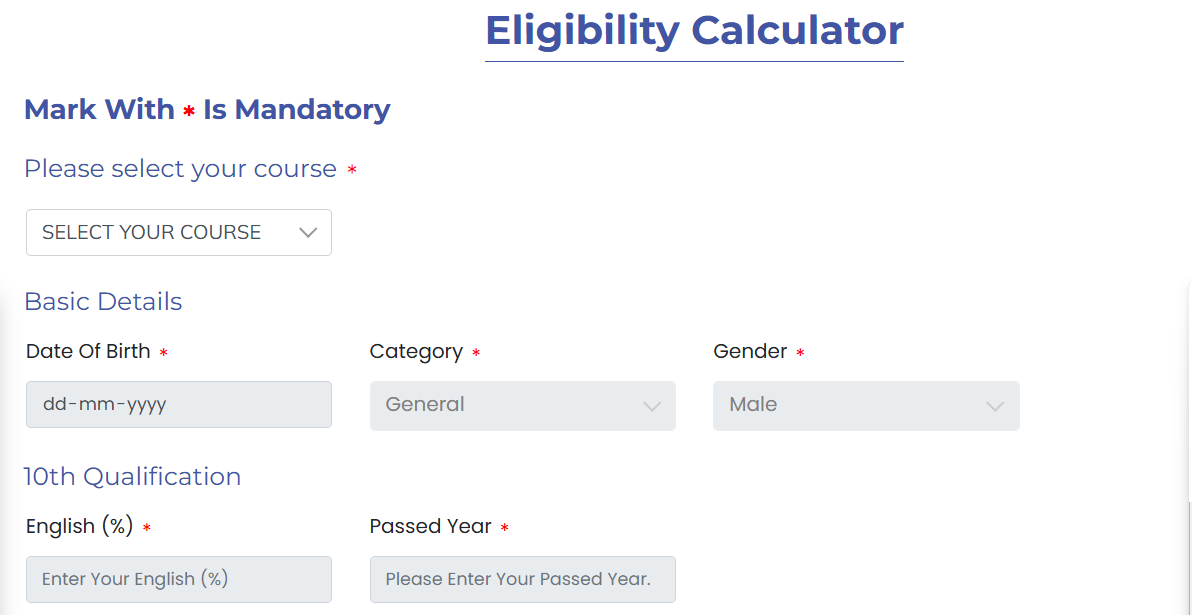
It provides resources such as the IMU-CET & Sponsorship Guidance Series, Eligibility Calculator, College Portal, Expert Counselling, Medical Fitness Calculator, Latest Forms, and DG Shipping resources.
For students comparing different DNS institutes and sponsorship opportunities, having access to updated eligibility, admission, and maritime information can make the process easier to understand.

Important Things to Check Before Joining a DNS Course
Before paying any admission or booking amount, students should verify the latest official information rather than relying only on salary figures circulated on social media or coaching websites.
Check:
- Whether the institute is currently approved and affiliated as applicable
- The latest DNS eligibility requirements
- IMU-CET requirements
- Sponsorship or selection conditions
- Medical requirements
- Current course fees and other charges
- Cadet stipend, if officially disclosed
- Shipboard training arrangements
- Employment or placement conditions
- Any bond or service obligation
- Refund and cancellation conditions
Most importantly, an advertised senior-officer salary should never be interpreted as the amount a student will earn immediately after completing DNS.

Conclusion
DNS can provide a structured route into the deck officer career of the Merchant Navy, but the financial progression happens over time.
At the beginning, a DNS candidate serves as a deck cadet and receives a stipend. The latest DGMA figures place the indicative Deck Cadet stipend at ₹25,000–₹50,000 per month. After completing the required sea service, examinations, and certification, the candidate can progress into officer ranks.
DGMA currently lists indicative monthly ranges of ₹1.2–₹2.0 lakh for a third officer, ₹2.0–₹3.5 lakh for a second officer, ₹3.5–₹5.5 lakh for a chief officer, and ₹5.0–₹8.0 lakh or more for a master.

FAQ’s (Frequently asked Questions)
The latest DGMA career guide gives an indicative Deck Cadet stipend of ₹25,000 to ₹50,000 per month.
No. Salary and stipend can vary by company, vessel type, and flag state. Official GEIMS material also states that the training-period stipend depends on market conditions and the organization providing the training.
DGMA currently lists an indicative monthly salary of ₹1.2 lakh to ₹2.0 lakh for a third officer.
The current DGMA indicative range for a second officer is ₹2.0 lakh to ₹3.5 lakh per month.
DGMA currently lists an indicative range of ₹3.5 lakh to ₹5.5 lakh per month for a chief officer.
The current DGMA indicative range for a master is ₹5.0 lakh to ₹8.0 lakh or more per month.
No. A DNS student first undergoes training as a Deck Cadet. Officer-level salary comes after the required sea training, examinations, and Certificate of Competency.
Not necessarily. The stipend and later employment terms depend on the organization, vessel, and applicable employment conditions. Candidates should check the official sponsorship and training documents carefully.
Yes. DGMA specifically states that salary varies by vessel type, along with company and flag state.
No. It is an indicative range published by DGMA, not a guaranteed salary for every master. Actual compensation can vary according to employment conditions.
Always check the latest official institute, company, IMU, and DGMA information for eligibility, fees, sponsorship, stipend, training, medical requirements, and employment conditions before making a decision.