
DNS Sponsorship Medical Requirements
Medical fitness is one of the primary criteria for aspiring students who are interested in joining the DNS program and pursuing a career in the Merchant Navy.
Passing the DNS sponsorship examination or interview process will not alone enable the candidate to be medically fit to join any vessel; the candidate should be medically fit according to the relevant criteria of seafarers.
This is especially true for DNS candidates who join the deck department, as the deck department work entails navigation, watchkeeping, lookouts, deck work, and other activities that are performed under varying sea and weather conditions.
The relevant medical test must be conducted as per the criteria laid down by the Directorate General of Shipping (DGS).
What Is a DNS Sponsorship Medical Examination?
A sponsorship medical examination is conducted to determine whether a candidate is medically fit to pursue a seafaring career.
For a pre-sea candidate, the examination assesses whether the person can safely perform the physical and visual duties associated with the intended position on board.
The DGS medical rules require the examiner to consider factors such as the following:
- Medical history
- Physical fitness
- Height and weight
- Pulse and blood pressure
- Hearing
- Eyesight
- Color vision
- Laboratory investigations
- Other medical conditions that may affect fitness for service at sea
The examination can also take into account the intended position on board and the physical demands associated with that position.
Who Conducts the DNS Medical Examination?
The examination must be taken by candidates via a DGS-approved medical examiner in accordance with the applicable maritime medical regulations.
An ordinary medical certificate from a general practitioner or a routine medical check-up is not considered the necessary seafarer’s medical examination.
DGS has requirements for DGS-approved medical examiners and the format for relevant medical certificates. Students are advised to look up the requirements of DGS-approved medical examiners before taking an examination.
DNS Medical Requirements for the Deck Department
DNS candidates are preparing for the nautical or deck department, so the applicable deck-side standards are particularly relevant.
The current DGS medical rules require assessment of:
- General physical fitness
- Hearing
- Distance vision
- Near vision
- Color vision
- Visual fields
- Night vision
- Other conditions affecting safe performance of duties
The medical examiner determines fitness using the standards applicable to the candidate’s intended position.
Eyesight Requirements for DNS
Eyesight forms an important medical requirement for DNS candidates.
According to the DGS pre-sea eyesight requirements for the nautical department, the following apply:
- Distance eyesight without aid: 1.0 (6/6) in the better eye
- Distance eyesight without aid: 0.67 (6/9) in the other eye
- Normal color vision
- Color vision is determined through the Ishihara test card
These medical requirements are explicitly stated for the nautical/deck department.
Students are advised not to confuse the medical eye requirements for the engine department or any other maritime occupation with those of DNS. The candidates are expected to carry out deck operations; hence, the relevant eyesight requirements for the nautical department have to be verified.
Is Spectacle Use Allowed for DNS?
The candidate must not assume that being nearsighted automatically disqualifies them medically.
The relevant standard will vary based on the eyesight standard for the nautical department before sailing. For the deck candidate, the DGS pre-sea standard is the standard of unaided distant vision.
Since the eyesight standard can determine admission to the DNS, those students who have been wearing glasses or have had some sort of eye treatment done should undergo the test by the approved DGS medical examiner.
Table of Contents
Color Vision Requirement for DNS
For one to join the nautical department, normal color vision is mandatory.
According to the pre-sea standard by DGS, it is a requirement that normal color vision should be proven by means of the Ishihara test chart.
Color vision is important when it comes to navigation and safety out at sea, especially recognizing navigation lights, among others. An applicant should not depend on an online color vision test for eligibility.
Hearing Requirements
Hearing is also assessed during the seafarer medical examination. The DGS medical rules specifically require the candidate’s hearing, eyesight, and color vision to be assessed according to the prescribed standards.
Good hearing is important on board because seafarers need to communicate effectively and respond to alarms, instructions, and other audible signals.
General Physical Fitness
A DNS candidate should be physically fit enough to perform normal duties on board a ship.
The medical examination can include measurements and assessments such as the following:
- Height
- Weight
- Pulse rate
- Blood pressure
- Medical history
- Physical examination
- Laboratory tests
- Hearing assessment
- Vision assessment
The medical examiner may request additional investigations when necessary to determine fitness.
The purpose is not simply to check whether someone is generally healthy. The assessment is focused on whether the candidate can safely perform the duties associated with a seafaring career.

Medical Conditions and DNS Sponsorship
Having a health problem does not necessarily mean that each of these candidates will automatically fail.
The medical examination looks into whether a certain health problem
- Impacts the individual’s ability to carry out tasks safely
- Worsens during the period of service on board
- Is a safety concern
- Necessitates medication that is not always easily accessible on board
- Impacts other individuals on board
The DGS medical regulations dictate that the medical examiner should consider any medical background pertinent to fitness for service on board.
This final judgment should come from the authorized medical examiner and not any assumptions made from information available online.

Medical History and Previous Treatment
Candidates should provide accurate information about their medical history.
The DGS medical examination process includes a medical-history assessment, and candidates are required to provide the relevant information requested during the examination.
This can include information about:
- Previous illnesses
- Injuries
- Surgeries
- Ongoing treatment
- Previous medical conditions
- Relevant medications
Students should not hide medical information from the examiner. Providing incomplete or false information can create problems later during medical verification or employment.
What Tests Are Included in the DNS Medical Examination?
The exact tests can vary according to the candidate and the examiner’s professional assessment.
The DGS rules provide for assessment of areas including the following:
- Physical measurements
- Blood pressure
- Medical history
- Hearing
- Eyesight
- Color vision
- Laboratory investigations
- Other examinations considered necessary
The medical examiner can request additional tests when required to determine whether the candidate meets the applicable fitness standards.
Is a Medical Certificate Required for DNS Sponsorship?
Shipping organizations have the option of asking for a candidate’s medical fitness certificate at the time of their sponsorship process.
This may vary according to the organization. For instance, an organization may ask for a medical certificate prior to selection, after selection, or prior to attending the training institute.
A candidate is supposed to follow the instructions that have been provided by the sponsoring organization for the medical fitness test.
DNS Sponsorship: Medical vs College Medical
Students must know that there can be more than one medical-related condition that must be met during the admission process.
The sponsor company may require medical evidence in the recruitment process of the candidates, but at the same time, the maritime institute may require medical pre-sea conditions to be met by the candidates. The best way out is to get the medical test done on the basis of the criteria set by DGS and the sponsoring company.
Can a Candidate Be Rejected After Clearing the Sponsorship Exam?
Yes. The written test and interview determine whether a person is suitable for the company’s admission process. The medical condition of the applicant is something different.
An individual who performs well during the written test and interview may fail to continue due to the lack of required medical standards.
That is why students need to check whether they have appropriate medical conditions from the beginning of the admission process.
What Can Make a Candidate Medically Unfit?
There is no single short list that applies to every possible medical situation.
A candidate can be found unfit if a condition or limitation prevents the person from meeting the prescribed standards for the intended seafaring position.
For DNS candidates, particular attention is given to:
- Required eyesight
- Color vision
- Hearing
- Physical fitness
- Conditions that may affect safe work at sea
The medical examiner makes the assessment using the applicable DGS standards.
Can Medical Fitness Standards Change?
Yes. Changes to maritime medical requirements can be made via updated regulations, notice, and guidelines. The students must not rely on an outdated eligibility article or medical requirement that is taken from any earlier admission period.
Medical examination requirements for the DGS have been updated by the DGS and include requirements relating to pre-sea medical tests, hearing tests, eyesight tests, and color-vision tests.
This is the reason why candidates need to make sure about their DGS medical requirements for their particular admission group.
Medical Fitness and Sponsorship Companies
There may be other requirements set by different shipping firms, but the individual must also meet the relevant legal medical requirements for sailing.
The shipping firm may ask for a medical report in its sponsorship process, giving specific guidance on where and when the process should take place.
One should not think that meeting the medical requirement for one shipping firm means he will automatically qualify with another firm.
When Should You Get the DNS Medical Examination?
Getting medically assessed before committing to the course is a sensible approach, particularly for candidates who are unsure about their eyesight, color vision, hearing, or another medical requirement.
A medical assessment can help identify potential issues before the student spends money on the following:
- Sponsorship applications
- Coaching
- Travel
- College applications
- Course fees
The official DGS-approved medical process remains the relevant standard for determining fitness.
Check Your DNS Eligibility with the Eligibility Calculator
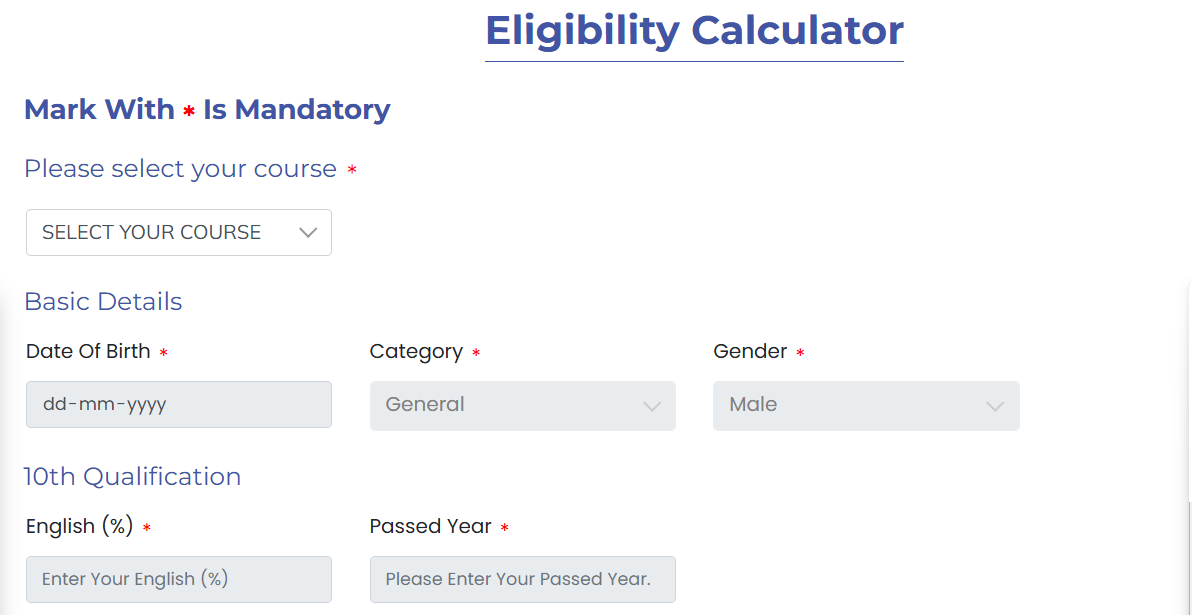
Not sure if you are eligible for a DNS course? The Merchant Navy Decoded Eligibility Calculator can help you check your eligibility based on your academic and personal details. You can enter information such as your age, 10th and 12th marks, PCM percentage, English marks, board, height, weight, and other required details. The calculator can also help you understand which colleges and sponsorship opportunities you may be eligible for.
Instead of checking multiple eligibility criteria manually, you can use the calculator to get a quick assessment of your profile. Check Your DNS Eligibility with the Merchant Navy Decoded Eligibility Calculator
Documents for the Medical Examination
The exact documents can vary by medical examiner and company, but candidates should generally be prepared with identification and relevant medical information.
Possible documents include:
- Passport or other accepted identification
- Passport-size photographs
- Previous medical records, if relevant
- Existing medical reports
- Prescription information, if applicable
- Sponsor or institute medical forms
The examiner will provide instructions about the documents required for the examination.
JMDI Academy for DNS Sponsorship Preparation
JMDI Academy, Dehradun, provides preparation support for students targeting Merchant Navy entrance examinations and company sponsorships.
For aspirants, preparation can include PCM, English, aptitude, mock tests, communication, and interview practice.
Preparing for sponsorship and IMU-CET together can help students avoid treating the two processes as completely separate examinations.
Students preparing for DNS Sponsorship can also explore JMDI Academy’s preparation resources, including its IMU-CET book and test series, to strengthen their exam preparation through regular practice, MCQs, sample papers, and mock tests. Along with preparation resources, students can visit JMDI Academy’s Our Results page to learn more about the results shared by the academy and get an idea of its students’ performance.
Merchant Navy Decoded App for Aspirants
The Merchant Navy Decoded App is another useful resource for students preparing for the Merchant Navy admission pathway.
The app provides Merchant Navy-related information and preparation resources, including an IMU-CET test series. Regular mock-test practice can help students improve speed and identify weak areas before the examination.
Students can combine this with sponsorship-focused preparation and interview practice for a more complete preparation strategy.
Final Thoughts
Medical fitness is not a formality in the admission process of the DNS. Medical fitness is a basic requirement to get admitted into a field where fitness, good vision in both eyes, color vision, hearing capability, and safety at sea are important criteria.
In case of DNS applicants joining as deck cadets, the DGS pre-sea standard requires 6/6 distant vision in the better eye and 6/9 in the other eye without any corrective glasses, along with normal color vision based on the Ishihara color test chart.
The medical fitness test will cover hearing ability, overall physical fitness, medical history, etc. that will affect safe service at sea.
Students are supposed to get themselves examined by the authorized medical practitioner as per the requirements for their specific admission and sponsorship batches.
Most importantly, students should not take medical fitness suggestions from unofficial sources or old eyesight charts while considering their eligibility for DNS.

FAQ’s (Frequently asked Questions)
Yes. Candidates entering DNS must meet the applicable medical fitness standards for seafarers before they can begin their maritime training.
The DGS pre-sea standard for the nautical department requires normal color vision, tested using the Ishihara test chart.
The DGS pre-sea standard specifies unaided distance vision of 6/6 in the better eye and 6/9 in the other eye for the nautical department.
A routine optical test should not be treated as the official seafarer medical examination. Candidates should follow the DGS-approved medical examination process.
Yes. Hearing is one of the areas specifically assessed during the seafarer medical examination.
It can, depending on the condition and whether it affects the candidate’s ability to safely perform duties at sea. The medical examiner assesses according to the applicable standards.
This depends on the sponsoring company. Some companies may allow candidates to complete the medical process after initial selection, while others can specify medical requirements earlier in the process.
Under DGS regulations, a medical certificate will normally remain valid for up to two years; if the seafarer is under 18 years old, then it can only remain valid for one year. However, it may remain valid for less than this if the medical officer sees fit.