
DNS vs BSc Nautical Science Salary

Deciding whether to go for a DNS (Diploma in Nautical Science) or a BSc in Nautical Science is a crucial step for those who wish to enter Merchant Navy service. Both courses prepare students for the career of a deck officer but differ in several aspects. One of the most important things that bothers the students is whether DNS pays more than BSc Nautical Science or whether the salary opportunities in the three-year degree course are greater.
Fortunately, there are no differences between DNS and BSc Nautical Science regarding salary and ranks at which graduates of both courses may serve in the Merchant Navy. Your earnings will rather depend on your shipping company, your rank, your experience, your ship, and your Certificate of Competency (CoC).
Now let’s compare salary in DNS vs. BSc Nautical Science, career prospects, and other important things.
DNS vs. BSc Nautical Science: An Overview
Comparing the salaries of these courses requires some knowledge of their fundamental differences first. Both of these courses enable students to become officers in the deck department of a merchant ship, from which point they can move on to more senior posts like that of a chief officer and captain.
Particulars | DNS | BSc Nautical Science |
Full Form | Diploma in Nautical Science | Bachelor of Science in Nautical Science |
Course Duration | 1-year pre-sea training | 3 years |
Training | Pre-sea and onboard training | Academic training + onboard training |
Entry Route | IMU-CET and company sponsorship | IMU-CET |
Starting Position | Deck Cadet | Deck Cadet |
Career Department | Deck | Deck |
Highest Position | Captain (Master Mariner) | Captain (Master Mariner) |
However, the key difference is the structure of training. The DNS course entails a brief training period before going to sea, whereas BSc Nautical Science requires an extended period of academic training before the actual ship training.
DNS vs. BSc Nautical Science Salary in India
Let’s get to the main issue: Which course provides a higher salary?
In general, there is no definite gap between the salaries of a DNS and a BSc Nautical Science graduate serving at the same rank in the same shipping company. For instance, a DNS graduate and a BSc Nautical Science graduate serving as third officers in the same company can earn equal salaries.
As per the indicative salary scale provided by India’s Directorate General of Maritime Administration (DGMA), the monthly salary of deck officers is as follows:
Rank | Approximate Monthly Salary |
Deck Cadet | ₹25,000–₹50,000 |
Third Officer | ₹1.2–₹2 lakh |
Second Officer | ₹2–₹3.5 lakh |
Chief Officer | ₹3.5–₹5.5 lakh |
Captain (Master) | ₹5–₹8 lakh or more |
Senior Master | ₹8–₹10 lakh or more |
These figures are indicative, not guaranteed salaries. Actual earnings can vary depending on the employer, vessel type, flag state, contract, and experience. The important point is that these salary ranges are based on professional ranks, not on whether someone completed a DNS or BSc Nautical Science.
Table of Contents
DNS Salary After Completing the Course
The DNS is a one-year pre-sea training program, followed by 18 months of training on board ships. Upon completion of this period and passing of the exams, the candidates become eligible for the Second Mate (Foreign Going) Certificate of Competency and become officers.
Salary Structure
- Pre-Sea Training Salary
During the first year of pre-sea training, students usually do not get any salary from the ships.
- Deck Cadet Salary
After joining the ship as Deck Cadets, candidates get a stipend during the onboard training period.The monthly stipend is approximately ₹25,000–₹50,000.
- Third Officer Salary
After undergoing necessary training and getting the Certificate of Competency, candidates are eligible to join as junior deck officers. The approximate salary is between ₹1.2 lakh and ₹2 lakh per month.
- Second Officer Salary
With the experience of the sea and qualifications, officers are promoted to second officers. The approximate salary is between ₹2 lakh and ₹3.5 lakh per month.
- Chief Officer and Captain Salary
Further gaining experience and taking professional examinations, officers may become chief officers and captains. The approximate salary is ₹3.5–₹5.5 lakh and ₹5–₹8 lakh or more, respectively.
Start Your Merchant Navy Journey with the Merchant Navy Decoded App
The Merchant Navy Decoded App can also simplify the admission process. Its features include company mock papers, the IMU-CET test series, daily quizzes, sponsorship and college selection advice, a smart CV creator, and a journey tracker, among others. The app’s AI assistant can also help in answering queries about maritime careers.
Instead of looking for application updates and preparation material from various sources, one can use these apps for all admission-related tasks.


BSc Nautical Science Salary After Completing the Course
BSc Nautical Science is an undergraduate course that takes three years and aims at giving students a wider knowledge base of navigation, seamanship, and maritime-related matters. The students get the necessary on-board training after the completion of the academic course. It has a salary structure similar to DNS.
- During the Course
Students typically do not get paid any shipboard salary for their three years of study.
- Deck Cadet Salary
Upon completion of the course and after joining a shipping company as Deck Cadet, the candidate is paid a monthly allowance for his or her training at sea.
The monthly allowance ranges from approximately ₹25,000 to ₹50,000.
- Third Officer Salary
On completion of the sea experience and on acquiring Second Mate (Foreign Going) CoC, the candidate can become a junior deck officer. The approximate monthly salary of such an officer is ₹1.2 lakh to ₹2 lakh.
- Second Officer Salary
After gaining experience and qualifications, officers can become second officers and earn approximately ₹2 lakh to ₹3.5 lakh per month.
- Chief Officer and Captain Salary
Career advancement can take the officers to the level of chief officer and captain. Their salaries can be as high as ₹3.5 lakh to ₹5.5 lakh and ₹5 lakh to ₹8 lakh or even more per month, respectively. Thus, the salary prospects of BSc Nautical Science graduates are similar to those of DNS graduates.
Real Salary Comparison: DNS vs. BSc Nautical Science

An example of this would be the career information provided by MSC Shipmanagement for their cadet programs in India.
The career information provided by MSC Shipmanagement has comparable salaries for DNS and BSc Nautical Science students.
Career Stage | DNS | BSc Nautical Science |
Deck Cadet | ₹34,900/month | ₹34,900/month |
Fourth Officer | ₹1.4 lakh/month | ₹1.4 lakh/month |
Third/Second Officer | ₹3–4.22 lakh/month | ₹3–4.22 lakh/month |
Chief Officer | ₹7.45 lakh/month | ₹7.45 lakh/month |
Captain | ₹9.1 lakh/month | ₹9.1 lakh/month |
This is indicative of the earnings of a specific company, and it cannot be assumed to be an assured offer for each student or batch. But this comparison shows that there is no connection between the course name and salary of an officer. In fact, both options can generate similar income for an officer within the same company.
Why Do Salaries Differ Between Merchant Navy Officers?
Even after doing the same course, two officers can have different salaries.
Various things determine their salary.
- Shipping Company
Different shipping companies pay different salaries.
Different international shipping companies may pay different salaries from Indian shipping companies.Employment policies of the company, its fleet of vessels, and even contracts play an important role.
- Type of Vessel
Type of vessel may determine the salary of an officer.
Some of the common types of vessels are
- Oil Tankers
- LNG and LPG Carriers
- Container Ships
- Bulk Carriers
- Chemical Tankers
- Offshore Vessels
Salary structure may vary according to the type of vessel and employment policies of the company.
- Rank and Experience
Rank is one of the most important factors determining salary. A deck cadet will not be able to earn the same amount as that of a third officer or chief officer. Officers with experience, having completed examinations, and being responsible for more duties are likely to earn more.
- Contracts and Employment Terms
Salary may also be affected by contract period, time off, bonuses, allowances, etc. It is very important for students to be aware of all the benefits and not just focus on the monthly salary.
Eligibility for DNS and BSc Nautical Science
- In both cases, the candidate has to study physics, chemistry, and mathematics in Class 12.
- For the 2026 admission cycle at IMU, some of the general educational requirements are as follows:
- At least 60% aggregate marks in PCM.
- At least 50% marks in English in either Class 10 or Class 12.
- Medical fitness according to the maritime guidelines.
- Age and other admission requirements.
DNS has its own set of admission and sponsorship requirements, which depend upon the institute and admission pathway. Before applying for any course, students must refer to the latest admission prospectus and admission criteria of the respective institute.
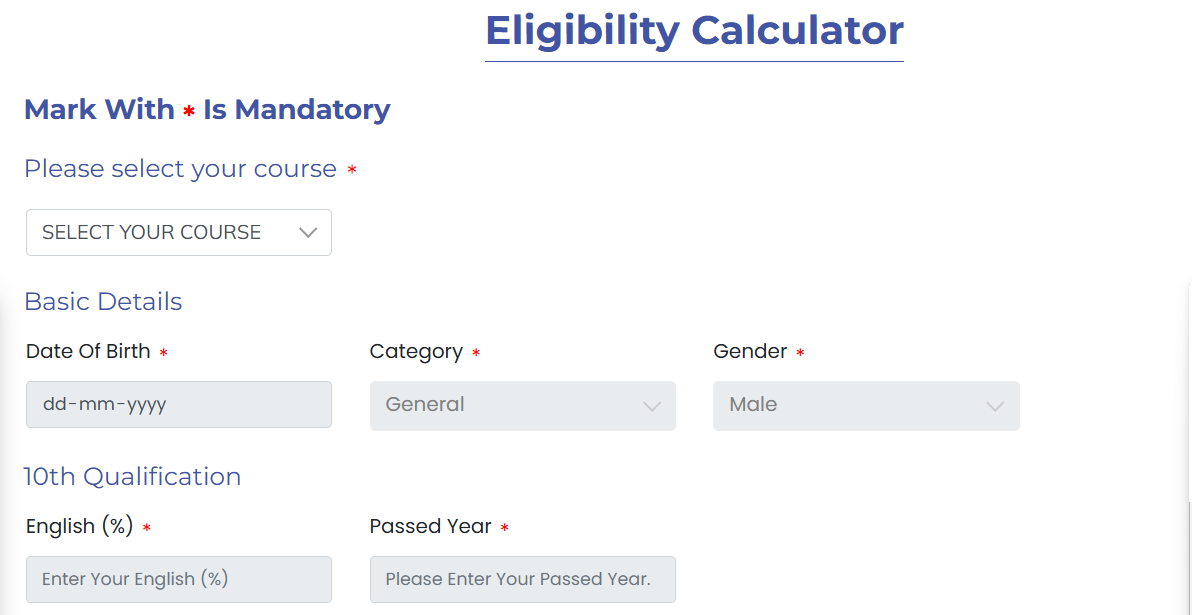
Students can also make use of the Merchant Navy Decoded Eligibility Calculator to determine their eligibility for different courses, colleges, and shipping companies.
How to Prepare for IMU-CET and Sponsorship?
Both courses require proper preparation before applying. In the case of BSc Nautical Science, the IMU-CET is an important aspect of the admission process. In case of DNS, preparation for company sponsorship tests and interviews will be required.
The Crack IMUCET Book from JMDI Academy can be used for preparing for the entrance test. It will give students structured study material and practice questions to improve their preparation. Apply now with JMDI Academy to begin your preparation with the right guidance and study resources.
DNS vs. BSc Nautical Science: Which One Should You Choose?
However, both these courses provide an access path to Deck Officer. It all depends on the career ambitions of each candidate.
Take the course of DNS if you:
- Want a shorter period in pre-sea academics.
- Have secured a sponsorship from a qualified shipping company.
- Want to start the onboard training program early.
- Feel satisfied with the sponsorship mode of admissions.
Go for the course of B.Sc. Nautical Science if you:
- Prefer a three-year undergraduate course of study.
- Prefer an academically broader education in nautical studies.
- Are satisfied with the mode of degree admissions.
- Would like the opportunity of academic pursuits.
But first you should consider the institute, the shipping company, the sponsorship, the fees for the course, and placement before you make your decision. Also, check if the institute and the course carry required approval/affiliation.

FAQ’s (Frequently asked Questions)
It is possible. However, the difference will mostly come from the shipping company, the type of vessel, the rank, and the employment contract and not from the course.
Either of them will result in the Second Mate (Foreign Going) Certificate of Competency depending on the completion of the necessary coursework, sea service, and examination requirements.
No. IMU-CET ranking is important for admissions and selections. The rank does not affect the salary of the officer joining the shipping company.
The stipend is normally paid while undergoing training onboard the ship. Although the method of payment and other specifications may differ from one shipping company to another.
Yes, but the officers have chances with other shipping companies depending on their qualifications and experience.