DNS vs. Marine Engineering
Students who want to have a career in the merchant navy usually encounter two commonly considered courses after Class 12: Diploma in Nautical Science (DNS) and B.Tech Marine Engineering.
While both are programs related to shipping, they equip candidates for totally different roles on board. DNS prepares students who are planning to join the deck department, while B. Tech Marine Engineering is for students planning to be in the engine department.
Not only does the name of the program differ, but the curriculum, responsibilities on board, and future career prospects are quite different from each other.
The list of undergraduate maritime programs includes both DNS and B.Tech Marine Engineering for the 2026-27 session at IMU. IMU-CET is compulsory for both of these programs.
What Is DNS?
The Diploma in Nautical Science (DNS) is an initial pre-sea program for candidates aspiring to become part of the deck department in the merchant navy.
The duties of the deck department include:
- Navigation
- Handling of the ship
- Cargo operation
- Security & Safety
- Passage Planning
- Communication
- Deck Operations
Normally, a DNS candidate undergoes the pre-sea program and then proceeds with the necessary sea training program. The DNS program is a relatively short initial pre-sea program as compared to a four-year engineering program.
For admission to DNS in IMU-affiliated colleges, the sponsorships are mandatory as per IMU Circular No. 2611 of 16 July 2026.
What Is B.Tech Marine Engineering?
B.Tech. Marine Engineering is an undergraduate engineering program for students who want to work in the engine department of a ship.
Marine engineers are responsible for the operation and maintenance of the machinery that keeps a vessel running.
Their work can involve:
- Main engines
- Auxiliary engines
- Pumps
- Boilers
- Electrical and mechanical systems
- Fuel and lubrication systems
- Refrigeration systems
- Machinery maintenance
- Engine-room safety
IMU offers B.Tech. Marine Engineering at its campuses, and the university also has affiliated institutes offering the program.
DNS vs. Marine Engineering: Quick Comparison
Factor | DNS | B.Tech Marine Engineering |
Full form | Diploma in Nautical Science | Bachelor of Technology in Marine Engineering |
Department | Deck | Engine |
Main focus | Navigation and ship operations | Machinery and engineering |
Qualification | Diploma | Bachelor’s degree |
Initial course duration | About 1 year | 4 years |
IMU-CET | Required | Required |
Sponsorship | Required for DNS at affiliated institutes | Depends on admission route |
Main work area | Bridge/deck/cargo operations | Engine room/machinery |
Career begins as | Deck Cadet | Marine Engineer/Engineer Trainee Pathway |
Suitable for | Students interested in navigation | Students interested in engineering |
DNS vs. Marine Engineering: Main Difference
The easiest way to explain the difference would be to ask yourself what aspect of the ship you like.
DNS is for people who are going to focus on the navigation and operations of the vessel.
Marine engineering is for people who are going to focus on the machinery aspect of the ship.
Neither field is “superior” in any way, shape, or form.
DNS vs. Marine Engineering: Course Duration
One of the differences that becomes quite clear is the time period.
DNS
The pre-sea training program for DNS is usually about one year long. This is then followed by the sea training and competency part.
B.Tech Marine Engineering
B.Tech. Marine Engineering is a program that spans four years. This extra time enables students to learn more about engineering and marine machinery. Thus, marine engineering suits those students who actually like engineering courses.
Table of Contents
DNS vs. Marine Engineering: Eligibility
The academic qualifications for admission into maritime programs are fairly uniform, although the specifics vary depending on the program and mode of admission.
In the case of IMU for the 2026-27 admission year, candidates who are applying for marine courses will be expected to meet the specified class 12 and medical criteria.
The B.Tech Marine Engineering program at IMU requires 10+2/equivalent with PCM and the specified PCM score and English. Other criteria include age, being unmarried, and medical fitness. (IMU)
DNS has its own eligibility criteria, like PCM and English marks, age, medical fitness, and IMU-CET.
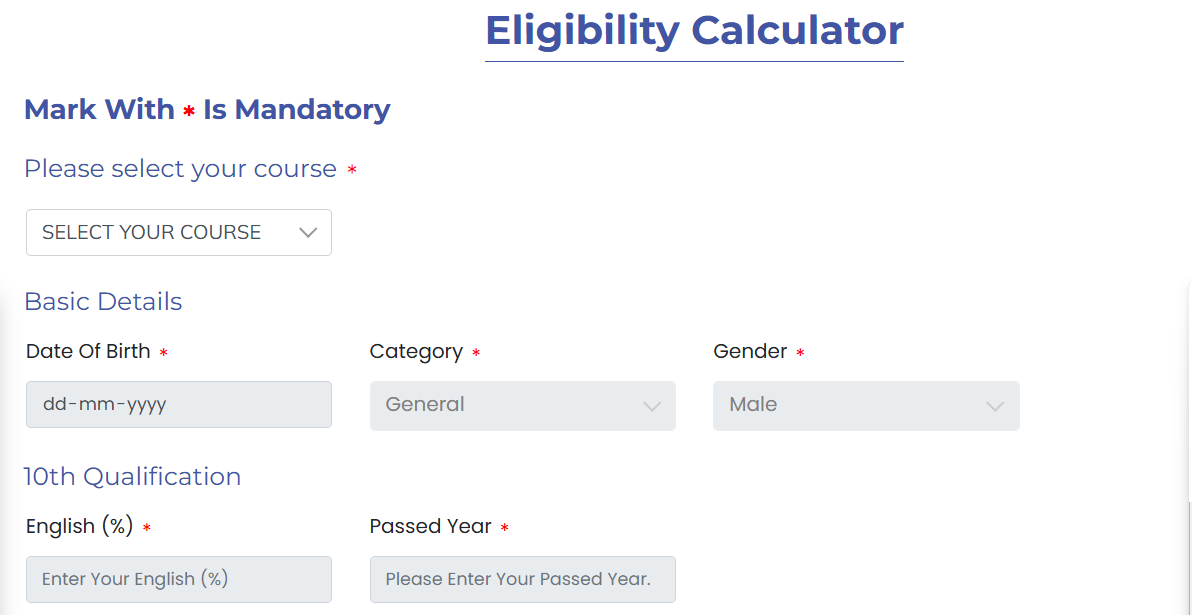
Want to check whether you meet the DNS eligibility requirements? You can use the Merchant Navy Decoded Eligibility Calculator to enter your academic and basic details and get an eligibility check for relevant maritime courses.
Is IMU-CET Required for Both?
Certainly, IMU-CET is a significant component of the admission process for both pathways.
Information provided by IMU for admission in 2026–27 makes it clear that IMU-CET is compulsory for DNS and B.Sc. Nautical Science, and the undergraduate admission structure of the university is also applicable to B.Tech programs.
It needs to be kept in mind that IMU-CET qualification does not mean sponsorship.
As far as DNS in affiliated institutions is concerned, even passing IMU-CET will not make you exempt from the need for sponsorship.
JMDI IMU-CET Preparation Book
For students preparing specifically for IMU-CET, JMDI and Merchant Navy Decoded also offer an IMU-CET preparation book.
The official JMDI page describes the book as covering concept-based learning, chapter-wise practice, previous-year question analysis, and full-length mock-test preparation.
The price can change with offers. The current official listing shows the book at ₹1,599, although it may commonly be referred to as the approximately ₹1,500 book.

DNS vs. Marine Engineering: Sponsorship
Sponsorship is particularly important when discussing DNS.
IMU states that
Sponsorship is not required for joining courses at IMU campuses. Sponsorship is required for DNS at affiliated institutes.
The current 2026 academic circular for affiliated DNS institutes also specifically refers to sponsored candidates only.
Marine Engineering has a different admission structure. Students can pursue B.Tech. Marine Engineering through IMU campuses without a separate company sponsorship requirement. Sponsorship arrangements can vary for private institutes and company-linked programs.
This is one reason students should not assume that the admission processes for DNS and marine engineering are the same.

DNS vs. Marine Engineering: Career Progression
The two routes have separate career ladders.
DNS Career Path
A typical deck-side progression is
- Deck Cadet
- Third Officer
- Second Officer
- Chief Officer
- Master/Captain
Progression depends on completing the required sea service, examinations, certificates, and other applicable requirements.
Marine Engineering Career Path
The engineering side follows a different progression:
- Trainee Marine Engineer
- Junior/Watchkeeping Engineer
- Second Engineer
- Chief Engineer
The exact designation at the entry level can depend on the company, training arrangement, and applicable certification.
DNS vs. Marine Engineering: Which Has a Better Salary?
It is difficult to declare one course the permanent winner in terms of salary.
Pay depends on:
- Rank
- Shipping company
- Vessel type
- Vessel size
- Experience
- Contract
- Flag
- Trade
- Additional qualifications
A senior deck officer and a senior marine engineer can both earn substantial salaries, but their career paths are different. A student should not choose between DNS and marine engineering only by looking at advertised salary figures.
Which Is More Difficult: DNS or Marine Engineering?
The difficulty is different rather than directly comparable. DNS involves navigation, maritime regulations, ship operations, calculations, communication, and practical decision-making.
Marine engineering has a much stronger engineering component and involves subjects related to thermodynamics, mechanics, electrical systems, engines, and machinery.
If you enjoy physics, mathematics, and mechanical systems, marine engineering may feel more natural.
If you enjoy navigation, geography, calculations, ship operations, and working on the bridge, DNS may suit you better.
DNS vs. Marine Engineering: Lifestyle at Sea
Away from the family for long periods of time—both professions.
Nevertheless, the working environment differs.
The deck officer will spend a lot of time on navigating, loading and unloading cargo, communication, security, and piloting.
The marine engineer spends a lot of time on machinery and engine-room operations.
None of the two lifestyles can be idealized. Careers in the Merchant Navy need strictness and team spirit.
Which Requires More Engineering?
Marine Engineering, by far.
B.Tech Marine Engineering is an engineering course. One has to study for many years to gain knowledge in mechanical, electrical, and marine engineering.
DNS has both technical and scientific subjects, but it is not an engineering course.
Those who are not keen on machines and engineering principles may find the Marine Engineering course challenging if they opt for it merely because they wish to join the Merchant Navy.
Which Requires More Navigation?
DNS.
Navigation is one of the core areas of the deck department.
Students interested in charts, routes, ship positioning, bridge operations, weather, and passage planning will generally find DNS more relevant.
Marine engineers do not follow the deck-officer navigation pathway.
DNS vs. Marine Engineering: Degree Advantage
B.Tech Marine Engineering gives you a Bachelor of Technology degree from the beginning.
DNS begins as a diploma/pre-sea program and follows a different academic and professional pathway. IMU’s DNS system includes a later route leading to B.Sc. (Applied Nautical Science).
For students who want a conventional engineering degree alongside their maritime career, B.Tech Marine Engineering has an obvious advantage.
Which Course Has Better Placement?
There is no universal answer. For DNS, the sponsoring company and sea-training arrangement are especially important. For marine engineering, the institute’s industry connections, training arrangements, and placement record matter.
Students should investigate the actual company tie-ups instead of relying only on a college’s general placement claims.
Look at:
- Onboard training arrangements
- Shipping companies associated with the institute
- Cadet/trainee intake
- Fleet exposure
- Placement record
- Training facilities
- Alumni progression
- Fees and refund conditions
DNS vs. Marine Engineering: Which Is Better After 12th?
he better option depends on the kind of work you want to do.
Choose DNS if:
- You want to work in the deck department.
- Navigation interests you.
- You are interested in becoming a deck officer.
- You want a shorter pre-sea academic route.
- You are comfortable with the DNS sponsorship process.
- You eventually want to progress towards Chief Officer and Captain.
Choose marine engineering if:
- You genuinely enjoy engineering.
- You are interested in engines and machinery.
- Mechanical and technical subjects appeal to you.
- You want a B.Tech degree.
- You want to work in the engine department.
- You see yourself progressing towards becoming a chief engineer.
February 2027 DNS Batch and IMU-CET 2026
The students sitting for IMU-CET 2026 will also have to consider the February DNS intake.
IMU Admission Criteria 2026–27 will include DNS admissions for the February intake, and the university has made it clear that IMU CET 2026 will be valid for the February 2027 DNS intake. The students will not have to sit for another CET for this intake.
The affiliated DNS colleges will require sponsored admission criteria for their intake. This becomes quite relevant for the students who already have an IMU-CET 2026 rank and are thinking of applying for February 2027 DNS intake.
JMDI Academy for Sponsorship Preparation
JMDI Academy, Dehradun, provides preparation support for students targeting Merchant Navy entrance examinations and company sponsorships.
For aspirants, preparation can include PCM, English, aptitude, mock tests, communication, and interview practice.
Preparing for sponsorship and IMU-CET together can help students avoid treating the two processes as completely separate examinations.
Merchant Navy Decoded App for Aspirants
The Merchant Navy Decoded App is another useful resource for students preparing for the Merchant Navy admission pathway.
The app provides Merchant Navy-related information and preparation resources, including an IMU-CET test series. Regular mock-test practice can help students improve speed and identify weak areas before the examination.
Students can combine this with sponsorship-focused preparation and interview practice for a more complete preparation strategy.
Final Verdict
DNS and marine engineering are not rival fields of the same career. Rather, they are two separate careers in the Merchant Navy.
DNS is the right choice for students who like navigation, bridge management, cargo, and being a deck officer.
Marine engineering would be suitable for students who love engines, machinery, mechanical engineering, and solving technical problems.
However, if you are still uncertain, make sure you know exactly what a deck officer and marine engineer do on board before applying. The duration of the course, salary, and college name matter but not as much as your interest in the field itself.
For the DNS program, it is important to note that the current IMU system requires sponsorship for admission into affiliated institutes, whereas the sponsorship is not necessary for courses at IMU colleges.
Also, in case you have already got an IMU-CET 2026 rank, the February 2027 DNS intake could be an opportunity for you. (IMU)

FAQ’s (Frequently asked Questions)
Both provide employment prospects within the Merchant Navy. The former will lead you towards the deck officer career route, while the latter leads to the engine department route. Career prospects very much depend upon your skills and experience.
Marine engineering is an engineering course; hence, one must feel comfortable with acquiring knowledge of mechanics, thermodynamics, electricity, and machinery. One should opt for this course due to interest in t
No. DNS is a deck-side program. DNS students follow the deck-officer pathway rather than the marine-engineering pathway.
Their primary responsibilities are related to the ship’s machinery and engineering systems. Bridge operations and navigation belong mainly to the deck department.
DNS is not itself a B.Tech program. The DNS pathway has its own academic progression, including the IMU route leading to B.Sc. (Applied Nautical Science).
DNS is the direct deck-side route for students who want to progress towards becoming a ship’s captain/master.
B.Tech. Marine Engineering is the appropriate route for students targeting the marine engineering career path and eventual chief engineer position.
Both can be pursued if you fulfill the eligibility criteria for each. Nonetheless, the processes of admission, requirements of the institute, and future career options are unique, hence the need to keep the documents separate.